

Rising Food Prices Put Fresh Pressure on FCT Households
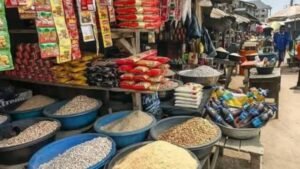
Residents across the Federal Capital Territory have raised concerns over another increase in the prices of essential food items, saying the rising cost of staples is forcing many households to cut back on their usual purchases.
Residents who spoke in Abuja said their household budgets were no longer enough to buy the same quantities of food they previously purchased, prompting many to prioritise only essential items and reduce food waste.
Rice, beans and cooking oil become more expensive
A recent market survey showed that a 50-kilogramme bag of rice, which previously sold for between N60,000 and N63,000, is now priced at about N68,000 to N71,000, depending on the brand.
The price of a 25kg bag has also risen to between N34,500 and N36,500.
Beans have recorded an even sharper increase. A bag that previously cost between N90,000 and N96,000 is now selling for approximately N111,000 to N115,000.
Cooking oil has also become more expensive. A 25-litre container that formerly sold for about N56,000 now costs between N62,000 and N65,000, while a five-litre container has increased from N16,000 to around N19,000.
Families adjust their spending
For many households, the increases mean making difficult choices about what goes into the shopping basket.
Naima Umar, a resident of Dei-Dei, said the rising prices had affected the variety of food her household could afford. She noted that a mudu of local rice had increased from N1,600 to about N2,000, while a tuber of yam now costs at least N2,000, depending on its size.
Umar said her family now plans purchases more carefully, compares prices between sellers and buys smaller quantities to cope with the pressure.
Another resident, Nasir Ibrahim, said his household had also reduced waste and tried to make better use of food already available at home. However, he said the continued price increases were still putting considerable pressure on the family budget.
Traders blame transportation and supply challenges
Food sellers also said the rising cost of bringing goods to Abuja was contributing to higher retail prices.
A trader, Latifat Hussaini, attributed the increases to transportation expenses, insecurity in some producing areas, higher supply costs and limited availability of certain commodities.
She added that customers were increasingly purchasing smaller quantities because of reduced purchasing power, a trend that has also affected traders’ sales.
Civil servants seek relief
The pressure is also being felt by salaried workers.
A civil servant, Aminu Ahmed, said the larger share of his income now goes towards food, leaving less money for transportation and other household obligations.
He called for additional support and allowances for civil servants to help families cope with the rising cost of living.
The latest development highlights the continuing pressure that food prices are placing on household finances in the FCT, with consumers and traders calling for measures that can improve food supply, reduce transportation costs and make basic commodities more affordable.
About The Author