
REA, Stanbic IBTC Partner on ₦100bn Facility for Renewable Energy Projects
The Rural Electrification Agency (REA) has entered into a ₦100 billion financing partnership with Stanbic IBTC Bank aimed at helping renewable energy developers secure the funds required to implement electricity projects across Nigeria.
The financing arrangement is expected to accelerate the delivery of power to communities that remain either unserved or inadequately supplied by the national grid.
The agreement was formalised through a Memorandum of Understanding (MoU) between both organisations. Under the arrangement, Stanbic IBTC will provide a one-year revolving credit facility to eligible developers working under REA-supported electrification programmes.
One of the programmes covered by the facility is the World Bank-funded Distributed Access through Renewable Energy Scale-Up (DARES) Project.
Facility to Address Funding Gaps
According to REA, one of the major challenges facing renewable energy projects is the gap between obtaining project approval and having sufficient funds to begin actual implementation.
Projects may receive approval and grants but still face difficulties raising the working capital needed to purchase equipment and mobilise resources.
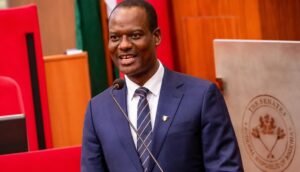
REA Managing Director and Chief Executive Officer, Abba Abubakar Aliyu, said the new financing framework was designed to close this gap by linking the agency’s results-based financing model with commercial lending.
He explained that the partnership should give qualified developers a clearer path from project approval to implementation, ultimately helping more Nigerians gain access to reliable electricity.
Developers to Access Funds Based on Project Capacity
The entire ₦100 billion will not be automatically available to every participating developer.
The amount accessible to individual companies will be assessed on a case-by-case basis, taking into consideration the relevant grant agreement, the developer’s capacity and Stanbic IBTC’s credit assessment.
The arrangement is expected to help developers procure equipment and deploy renewable energy infrastructure more quickly, reducing delays that can occur after projects have received approval.
Stanbic IBTC to Provide Additional Support
Beyond providing credit, Stanbic IBTC will offer participating developers additional financial and trade-related services.
The bank is expected to provide financial advisory support, facilitate connections between renewable energy developers and original equipment manufacturers, and make international trade tools available where applicable.
A collection platform will also be provided to support financial inclusion and improve the sustainability of projects.
Richard Inegbedion, Head of Energy and Infrastructure at Stanbic IBTC Bank, said renewable energy projects require financing structures that take into account the specific opportunities and challenges within the sector.
He said the partnership would help qualified developers access the capital required to execute projects while contributing to the expansion of sustainable energy infrastructure in Nigeria.
Boost for Nigeria’s Energy Access Drive
The renewable energy developer community has welcomed the financing arrangement, with industry stakeholders stressing that access to appropriately structured capital remains crucial to the rapid deployment of clean-energy projects.
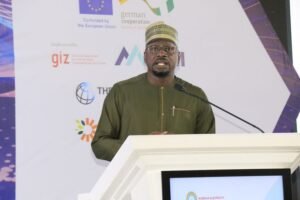
Hakeem Shagaya, Managing Director and CEO of Asolar Systems Nigeria Limited, said financing is a major factor determining how quickly approved renewable energy projects can move into implementation.
He noted that aligning commercial financing with REA’s results-based approach could improve developers’ ability to purchase equipment, mobilise resources and deliver projects within agreed timelines.
REA will continue to oversee the programme by handling developer prequalification, project approvals, grant agreements and verification of relevant documentation.
The agency said the partnership would strengthen private-sector participation in Nigeria’s electricity access programme by improving access to debt financing and helping developers deploy equipment and other project resources more efficiently.
The MoU will remain effective throughout the World Bank-funded DARES programme and will conclude at the end of the programme and after the full repayment of facilities disbursed under the agreement, subject to its terms.
About The Author