

Only 31% of Lagos Residents Own Homes as Rising Rents Deepen Housing Pressure
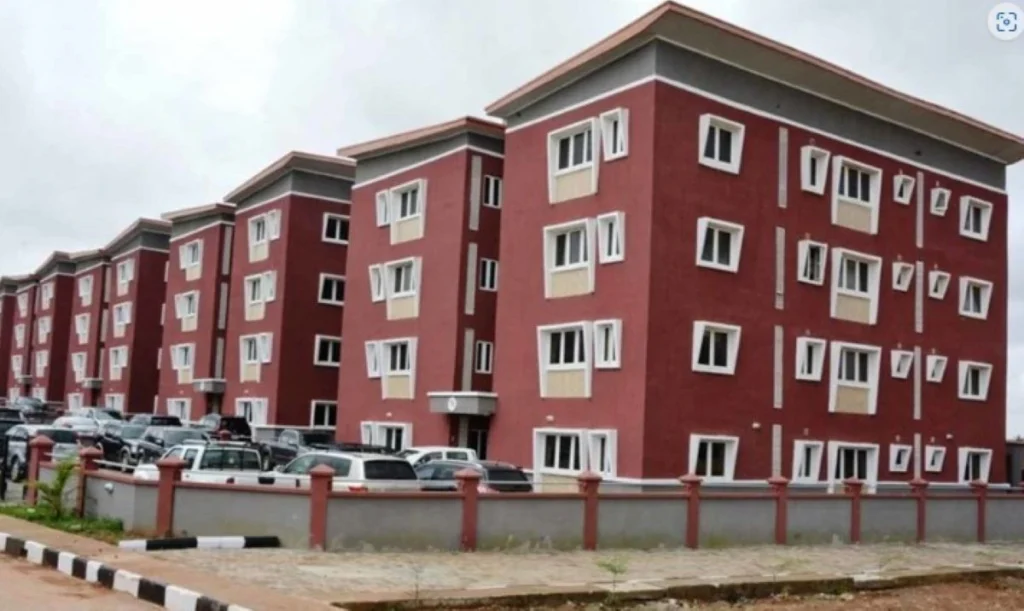
A new housing market report by Fortren & Company shows that Lagos has a homeownership rate of 31%, while 51% of residents live in rented homes. The findings reflect the city’s increasing dependence on rental housing as population growth, economic opportunities and the concentration of businesses continue to drive demand for accommodation.
The report examined housing conditions across 10 major African cities, comparing homeownership and rental patterns in key economic centres with significant expatriate and professional populations. Lagos emerged as one of the cities where access to affordable housing remains increasingly difficult for many residents.
Rental market dominates housing in Lagos
According to the report, Lagos trails several African cities in homeownership. While Nairobi recorded the highest ownership level among the cities surveyed at 61%, Lagos stood at 31%, slightly above Kampala’s 29% but below Addis Ababa’s 33% and significantly behind Dakar, where ownership and rental occupancy were evenly split.
The report clarified that homeownership in Nigeria includes people living in houses they built, inherited, received as gifts or purchased outright. This means the figure is broader than mortgage-backed homeownership and reflects anyone residing in their personal residence.
Lagos ranks among Africa’s most expensive rental markets
Beyond ownership, the report also identified Lagos as one of the continent’s costliest cities for premium residential rentals. The city ranked fourth among the 10 African cities surveyed for high-end two-bedroom apartments, with average annual rent estimated at $19,379 in 2026.
Prime neighbourhoods such as Ikoyi, Victoria Island and Banana Island continue to command some of the highest residential rents in Nigeria, with many luxury properties priced in dollars. In some ultra-exclusive parts of Ikoyi, annual rents for premium developments can reach as much as $130,000, according to the report.
However, tenants often face expenses far beyond the advertised rent. Prospective occupants are typically required to make annual rent payments in advance, alongside agency commissions, legal and agreement fees, caution deposits, stamp duties, utility deposits and other service-related charges. These additional obligations substantially increase the financial burden of securing accommodation in Lagos.
Construction costs continue to fuel housing prices
The report attributed Lagos’ persistent housing affordability crisis to a combination of limited land availability, strong demand in desirable locations, currency depreciation, property speculation and sharply rising construction costs.
Building materials have recorded significant price increases in recent years, with cement now selling between ₦7,000 and ₦12,500 per bag, compared with roughly ₦5,000 to ₦6,000 at the end of 2023. Reinforcement steel has also risen to between ₦1 million and ₦1.5 million per tonne, placing additional pressure on developers and ultimately increasing the cost of new homes.
Industry estimates cited in the report indicate that materials and labour account for between 50% and 65% of development costs for medium-sized residential projects, while construction of the building structure alone can cost between ₦350,000 and ₦400,000 per square metre, depending on specifications and location.
As development costs continue to rise, many property developers are responding by reducing apartment sizes, moving projects to less expensive locations, adopting alternative building materials and delivering projects in phases. Despite these adjustments, much of the increased cost is still being transferred to homebuyers and tenants through higher selling prices and rents.
Lagos faces widening housing deficit
The housing challenge is further compounded by the scale of unmet demand across the state. Lagos was estimated to have a housing deficit of about 3.4 million units in 2025 and requires more than 227,000 new homes annually to keep pace with population growth and replace ageing housing stock.
The report also referenced industry findings indicating that the state would require approximately ₦6 trillion annually to bridge its housing financing gap. Meanwhile, land remains one of the biggest contributors to housing costs, particularly in high-value commercial districts where acquisition expenses significantly affect project viability.
For many households, the consequences are already evident. Housing experts have warned that some Lagos residents now spend between 60% and 70% of their income on rent, leaving limited disposable income for transportation, education, healthcare and other essential needs.
The latest findings reinforce growing concerns that without substantial investment in affordable housing, infrastructure and innovative housing finance, homeownership will remain beyond the reach of a significant proportion of Lagos residents while rental costs continue to exert pressure on household incomes.
About The Author