
FG Transfers Inland Dry Port Functions from Shippers’ Council to NPA
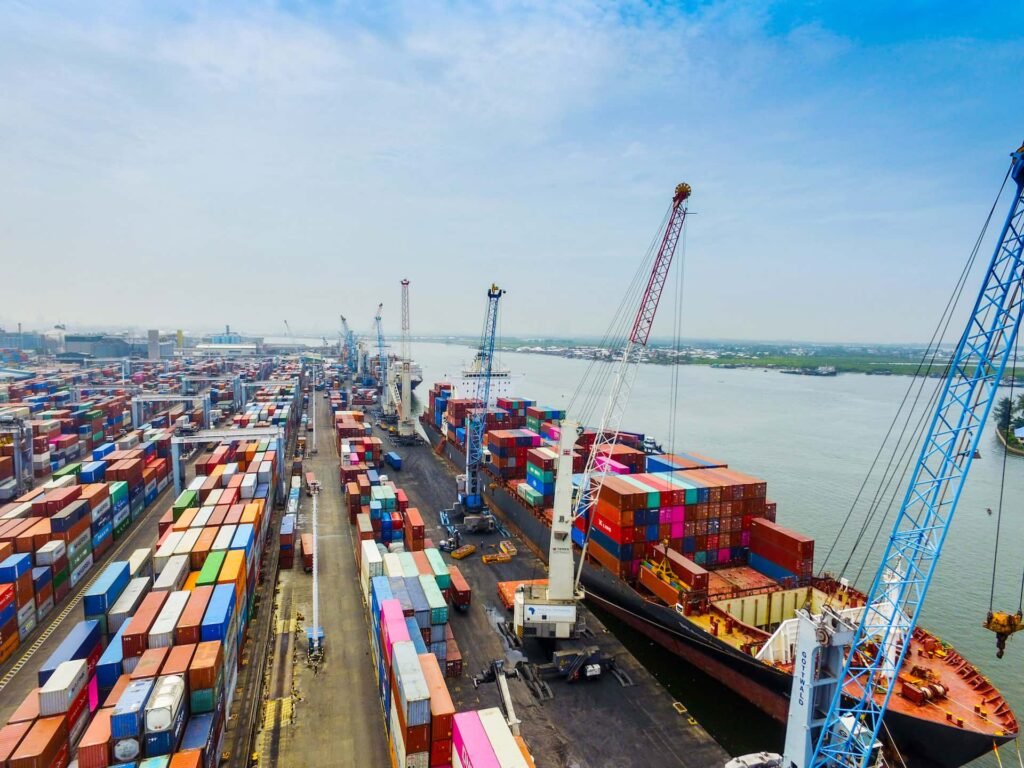
The Federal Government has directed the Nigerian Ports Authority (NPA) to take over the Inland Dry Port (IDP) functions currently performed by the Nigerian Shippers’ Council (NSC), as part of a broader restructuring of Nigeria’s port administration.
The Minister of Marine and Blue Economy, Adegboyega Oyetola, announced the directive on Thursday, saying the move is designed to create a clearer separation between port economic regulation, development and operations.
The development follows the enactment of the Nigeria Ports Economic Regulatory Agency (NPERA) Act, 2026, which provides for the transformation of the NSC into NPERA, Nigeria’s substantive economic regulator for the port sector.
NPA to Assume Inland Dry Port Responsibilities
Under the new arrangement, the NPA will take responsibility for promoting and integrating inland dry ports into the country’s broader port infrastructure and operational network.
Oyetola said the transfer is intended to enable NPERA to concentrate on its core regulatory mandate, while operational, developmental and promotional responsibilities are assigned to institutions with the appropriate mandates.
“I have directed the transfer of the Inland Dry Port (IDP) functions of the Nigerian Shippers’ Council (NSC) to the Nigerian Ports Authority (NPA), as part of our efforts to establish a clear separation between port economic regulation, development and operations,” the minister said.
The minister maintained that the transfer does not represent a reduction in the Federal Government’s commitment to inland dry ports. Rather, he said, the objective is to strengthen their development by placing their promotion under an agency better positioned to integrate them with Nigeria’s wider port infrastructure.
NSC to Become NPERA
The restructuring follows President Bola Ahmed Tinubu’s assent to the NPERA Act, 2026.
The new legislation formally establishes NPERA as the country’s dedicated port economic regulator, bringing an end to the NSC’s role as the interim economic regulator, a position it had occupied since 2014.
Oyetola has also ordered the immediate constitution of a Ministerial Committee to oversee the transition from the NSC to NPERA.
The committee will be responsible for ensuring that the transition is properly managed and that functions currently performed by the NSC are appropriately allocated to the relevant institutions.
What NPERA Will Regulate
Under the new framework, NPERA will focus on economic regulation of the port sector.
Its responsibilities will include regulating tariffs and charges, promoting competition, licensing, establishing service standards, resolving commercial disputes and protecting port users.
The government believes separating these responsibilities from operational and development functions will strengthen the independence and credibility of the new regulator.
Oyetola argued that an economic regulator needs to operate as an impartial referee and should not simultaneously perform functions that could create actual or perceived conflicts of interest.
Government Targets More Efficient Port System
The minister said the institutional changes are intended to eliminate overlapping responsibilities among agencies under the Federal Ministry of Marine and Blue Economy.
He added that clearer mandates should improve transparency, strengthen confidence in the regulatory framework and create a more predictable operating environment for port users, investors, terminal operators and shipping companies.
The Federal Government also expects the transfer of inland dry port functions to the NPA to support greater integration between inland facilities and Nigeria’s seaport infrastructure.
According to Oyetola, the ultimate objective is to build a more efficient and integrated port system capable of serving businesses and communities across the country.
The restructuring marks a significant change in the governance of Nigeria’s maritime sector, with the emergence of NPERA expected to bring greater clarity to economic regulation while allowing the NPA to concentrate on port development, infrastructure and operational integration.
About The Author