
CISLAC Blames Corruption, Government Waste for Nigeria’s Rising Cost of Living

The Civil Society Legislative Advocacy Centre (CISLAC) has criticised the Federal Government over the continuing pressure on household finances, arguing that corruption, waste and weaknesses in public administration are contributing to the high cost of living in Nigeria.
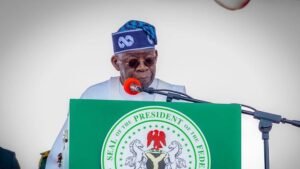
The organisation’s position came in response to President Bola Ahmed Tinubu’s Independence Day address, in which the President acknowledged the economic difficulties facing many households and said reducing the cost of living remained a priority of his administration.
In a statement signed by CISLAC Executive Director Auwal Musa Rafsanjani, the group said recognising the problem must be followed by concrete changes in the management of public resources.
According to CISLAC, Nigerians struggling to pay for food, transportation, education and healthcare require more than assurances that economic conditions will improve in the future.
Corruption Adds to Household Burden
CISLAC described corruption as an indirect cost borne by ordinary Nigerians, arguing that compromised contracts, lost government revenue, abandoned projects and inefficient spending reduce the resources available for essential public services.
The organisation said when government fails to provide adequate roads, electricity, healthcare, education, water and security, citizens are often forced to spend their own money to obtain services that should be properly supported through public institutions.
It therefore called for stronger measures to prevent revenue leakages, improve procurement processes and ensure that public spending produces measurable benefits.
Group Questions Burden of Economic Reforms
CISLAC also raised concerns about how the burden of economic reforms is being distributed.
While acknowledging the need for reforms, the organisation argued that government policies should be carefully implemented alongside measures designed to protect vulnerable households from severe economic shocks.
It noted that Nigerians continue to face higher expenses for food, fuel, transportation and electricity, and argued that government institutions should demonstrate a corresponding commitment to cutting waste and improving efficiency.
The group also cautioned against relying solely on broader economic indicators when assessing the success of reforms, saying improvements in inflation or government revenue may not necessarily reflect the financial reality of individual households.
Calls for Tighter Control of Public Funds
CISLAC urged the Federal Government to strengthen efforts to block revenue leakages and make public procurement more transparent.
It also called for the recovery of public assets linked to corruption, appropriate sanctions for corrupt practices and a review of government expenditure considered wasteful.
The organisation further urged authorities to reduce the cost of running government, arguing that greater financial discipline within public institutions would strengthen confidence in the government’s economic programme.
Public Revenue Should Improve Living Conditions
According to CISLAC, additional government revenue should translate into better and more affordable public services.
The group identified transportation, electricity, healthcare and education as areas where improved public investment could reduce the financial burden on households.
It maintained that the impact of economic reforms should ultimately be assessed by whether Nigerians experience improved purchasing power, greater economic security and easier access to basic necessities.
Government’s Position
The Federal Government has defended its economic reforms, including the removal of the petrol subsidy and changes to the foreign exchange system, as necessary steps toward addressing longstanding economic challenges and improving the country’s financial position.
President Tinubu has also acknowledged that many Nigerians remain under pressure from the rising cost of food, transportation, school fees and medical expenses. At the same time, he has maintained that his administration’s reforms are intended to move the economy from stabilisation toward broader growth and prosperity.
CISLAC, however, said economic recovery must be accompanied by stronger accountability and more efficient use of public resources.
The organisation argued that the success of the government’s economic programme should ultimately be reflected in the everyday experiences of Nigerians, particularly their ability to afford basic necessities and access essential public services.
About The Author