
MTN Secures Approval for $2.2bn IHS Towers Acquisition, Faces 30% Local Ownership Requirement
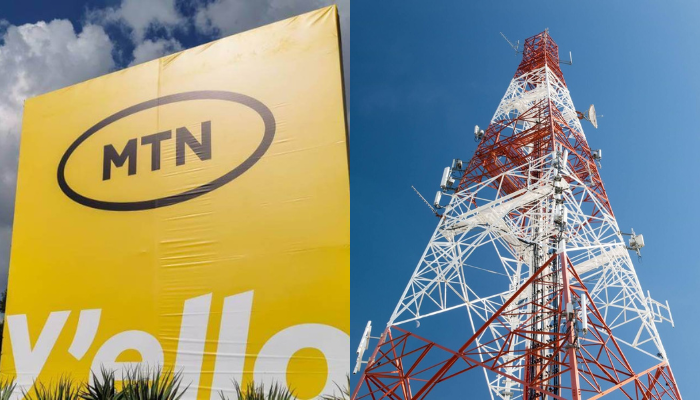
MTN Group has received regulatory approval in Nigeria to proceed with its proposed $2.2 billion acquisition of the remaining stake in IHS Towers, marking a significant step towards greater control of the telecommunications infrastructure supporting its operations in the country.
The approval, disclosed in MTN Group’s first-half 2026 results, comes with a key condition requiring the telecoms giant to sell a 30 percent stake in IHS Nigeria to Nigerian investors. The requirement is designed to ensure local participation in ownership of the country’s critical telecommunications infrastructure.
MTN currently owns about 25 percent of IHS Towers and has agreed to acquire the remaining approximately 75 percent for $8.50 per share in cash. The transaction places the enterprise value of IHS Towers at about $6.2 billion.
The deal has received approval from several regulators, including Nigeria’s Federal Competition and Consumer Protection Commission (FCCPC), with completion expected in the second half of 2026, subject to outstanding regulatory requirements.
Local ownership condition
The requirement for MTN to dispose of 30 percent of IHS Nigeria reflects regulatory concerns surrounding competition in the telecommunications infrastructure market.
IHS Towers operates infrastructure used by several telecommunications operators, meaning that MTN gaining complete ownership could potentially raise concerns over its influence over infrastructure that is also critical to competitors.
The proposed sell-down will therefore allow Nigerian investors to hold a significant interest in the local tower business while MTN retains a controlling position. According to MTN, the stake will be offered to local Nigerian investors on an arm’s-length commercial basis and subject to prevailing market conditions.
Nigeria emerges as a major focus for MTN investment
The IHS transaction comes as MTN continues to direct significant capital towards expanding its Nigerian network.
During the first half of 2026, MTN invested R7.34 billion in Nigeria’s network infrastructure, excluding leases. This was substantially higher than the R2.64 billion invested in South Africa over the same period, representing about 2.8 times the amount deployed in its home market.
The company said group service revenue increased by 17.5 percent in constant-currency terms during the period, with Nigeria among the markets supporting the group’s growth.
MTN invested almost R20 billion in capital expenditure across its operations during the first six months of the year, with the funds directed towards network expansion, connectivity and technology infrastructure.
From tower seller to infrastructure owner
The proposed acquisition also represents a significant shift in MTN’s infrastructure strategy.
Over the past decade, MTN sold thousands of telecommunications towers to infrastructure companies such as IHS Towers, allowing the telecom operator to unlock capital while continuing to use the infrastructure through lease arrangements.
The proposed acquisition would effectively reverse part of that strategy by bringing substantial tower infrastructure back under MTN’s ownership.
Greater ownership could give MTN more control over network expansion, infrastructure planning and maintenance, while potentially allowing the company to capture more of the economics associated with tower operations.
However, the 30 percent local ownership requirement means MTN’s return to direct tower ownership in Nigeria will not result in complete control of the infrastructure business.
Rising network demand strengthens strategic case
The acquisition comes at a time when demand for telecommunications services and network capacity in Nigeria continues to rise.
MTN said it served 317.7 million customers across 19 markets as of June 30, 2026, including more than 179 million active data users. Network traffic also increased by nearly 23 percent to 14.3 petabytes during the first half of the year.
For Nigeria, the combination of rising data consumption and the need for greater network capacity makes telecommunications infrastructure increasingly important.
The acquisition of IHS could therefore give MTN greater influence over the physical infrastructure required to expand its network, even as regulators seek to preserve competition and local participation.
What the deal means for Nigeria
The transaction could have broader implications for Nigeria’s telecommunications infrastructure market.
For MTN, acquiring a controlling interest in IHS could provide greater strategic control over tower deployment and network expansion. For Nigerian investors, the mandated 30 percent stake creates an opportunity to participate directly in ownership of a major telecommunications infrastructure platform.
At the same time, regulators will likely continue to focus on ensuring that MTN’s increased ownership does not restrict competitors’ access to infrastructure.
The final structure of the transaction is therefore expected to balance MTN’s desire for greater infrastructure control with Nigeria’s broader objectives around competition, local ownership and continued investment in digital connectivity.
With MTN expecting to complete the acquisition in the second half of 2026, the transaction is set to become one of the most significant developments in Nigeria’s telecommunications infrastructure landscape this year.
About The Author