
Nigerian Workers Give Tinubu September 30 Deadline, Demand ₦500 Petrol Price, ₦500,000 Minimum Wage

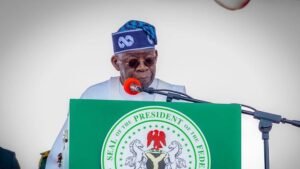
Public servants under the Joint National Public Service Negotiating Council (JNPSNC), Trade Union Side, have given President Bola Ahmed Tinubu until September 30, 2026, to address the worsening economic hardship affecting workers and their families.
The workers are calling for a reduction in petrol prices to ₦500 per litre, an immediate wage award for public servants, and an upward review of salaries and allowances across the public service.
In a letter submitted to President Tinubu at the State House in Abuja, the council warned that declining purchasing power and rising living costs were increasing frustration among Nigerian workers.
The union also requested the immediate establishment of a committee to negotiate a new National Minimum Wage ahead of January 2027.
Workers Blame Rising Fuel Prices for Economic Hardship
The JNPSNC expressed concern over the rising cost of Premium Motor Spirit (PMS), noting that petrol prices had climbed to ₦1,430 per litre or higher in some parts of the country.
According to the council, the removal of fuel subsidy in 2023 triggered a chain reaction that significantly increased transportation expenses and the prices of essential goods and services.
The workers argued that the Federal Government must urgently intervene to make petrol more affordable, proposing ₦500 per litre as a target.
They maintained that reducing fuel prices would ease the financial burden on households and businesses by lowering transportation, production and distribution costs.
The council also proposed an intervention fund for stakeholders in the oil sector to help stabilise petrol prices. It suggested that the initiative could be given a different name if the government objected to describing it as a fuel subsidy.
Union Rejects Food Palliatives as Long-Term Solution
The workers maintained that distributing food items such as rice, garri, noodles and vegetable oil was not a sustainable response to Nigeria’s economic challenges.
The council argued that such interventions provide only temporary relief without addressing the underlying factors driving inflation and declining purchasing power.
It insisted that a reduction in petrol prices would have a broader impact on the economy, potentially easing the cost of transportation, agricultural production, manufacturing and household consumption.
The JNPSNC stressed that government policies should focus on sustainable economic relief rather than temporary assistance that does not adequately address the challenges facing the wider population.
Workers Endorse NLC Proposals on Fuel Supply
The council also expressed support for proposals attributed to Nigeria Labour Congress (NLC) President, Joe Ajaero, on measures to address the country’s fuel challenges.
Among the proposals are increased crude oil sales in naira to domestic refineries and the expansion of national fuel storage capacity.
The workers believe these measures could strengthen local refining, improve energy security, create employment opportunities and reduce Nigeria’s exposure to international oil market fluctuations.
The council urged the Federal Government to consider the proposals as part of a broader strategy to cushion Nigerians against rising energy costs.
Public Servants Seek Immediate Wage Award
Beyond the demand for lower petrol prices, the JNPSNC called for an immediate Wage Award for workers across Federal, State and Local Government establishments.
It also requested a comprehensive review of salaries and allowances to reflect the rising cost of living.
The council urged President Tinubu to direct the National Salaries, Incomes and Wages Commission to commence discussions with organised labour, including the Nigeria Labour Congress, Trade Union Congress and other relevant stakeholders.
According to the workers, the combined effects of inflation, higher transportation costs, food prices, housing expenses and healthcare bills have significantly reduced the value of their earnings.
They warned that the financial strain was affecting workers’ morale, motivation and productivity, with possible implications for public service delivery.
JNPSNC Proposes ₦500,000 Minimum Salary for 2027
The council is also pushing for the early commencement of negotiations for a new National Minimum Wage expected to take effect in January 2027.
As part of its proposal, the JNPSNC recommended a minimum monthly salary of ₦500,000 for an officer on Grade Level 01, Step 1, under the proposed 2027 salary structure.
It further called for harmonised wages across Ministries, Departments and Agencies, alongside similar salary reviews at the state and local government levels.
The union also advocated periodic adjustments to salaries and allowances in line with inflation, as well as welfare initiatives such as subsidised transportation and affordable housing for public servants.
The council said improving workers’ welfare was essential to restoring purchasing power, strengthening accountability, enhancing productivity and maintaining industrial harmony.
September 30 Deadline for Government Action
The JNPSNC urged President Tinubu to ensure that its demands receive prompt attention and that concrete steps are taken by Wednesday, September 30, 2026.
The council warned that failure to address the growing economic pressure could further heighten tension among workers and their dependants.
It also expressed hope that the President’s forthcoming Independence Day broadcast would address the concerns raised and provide meaningful relief to Nigerians struggling with the rising cost of living.
The workers maintained that urgent government intervention was necessary to restore confidence, improve public servants’ welfare and prevent further deterioration in living conditions.
About The Author