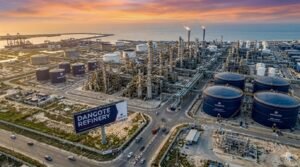

Nigeria sustains 1.5 million bpd oil output, meets OPEC quota for fourth consecutive month

Nigeria maintained crude oil production at about 1.5 million barrels per day (bpd) in August 2026, allowing the country to meet its Organisation of the Petroleum Exporting Countries (OPEC) production quota for the fourth consecutive month.
Data contained in OPEC’s latest monthly oil market report showed that Nigeria’s output stood at 1.5 million bpd in August, slightly below the 1.505 million bpd recorded in July. The August figure represents a marginal decline of about 0.33 percent month-on-month.
The development indicates continued improvement in Nigeria’s ability to sustain crude production around the quota level after years of struggling with production losses linked to crude theft, pipeline disruptions, ageing infrastructure and operational challenges.
Output remains around OPEC allocation
Nigeria had recorded crude production of 1.55 million bpd in June and 1.53 million bpd in May, before production eased to 1.505 million bpd in July.
Despite the month-to-month decline, August marked the fourth straight month in which the country achieved its OPEC production allocation of 1.5 million bpd.
OPEC said the August figure was obtained through direct communication with Nigerian authorities. The organisation also uses secondary sources, including energy intelligence providers, to monitor production across its member countries.
Nigeria retains Africa’s top producer position
The latest data also showed that Nigeria remained Africa’s largest oil producer in August.
Libya ranked second with approximately 1.39 million bpd, while Algeria followed with about 1 million bpd.
Maintaining the top position is significant for Nigeria, where crude oil remains a major source of foreign exchange earnings and government revenue.
However, the country’s production remains well below its much higher historical levels, highlighting the importance of sustaining recent gains and attracting investment into upstream operations.
Secondary data points to higher output
While the production figure supplied directly by Nigeria was 1.5 million bpd, OPEC’s secondary-source data placed the country’s August output at approximately 1.57 million bpd.
That estimate represents a 2.61 percent increase from the 1.53 million bpd recorded through secondary sources in July.
The difference between direct and secondary-source estimates reflects the various methodologies used to track crude production and underscores the importance of continued transparency and reliable production data in the oil market.
Higher production could strengthen foreign exchange earnings
A sustained increase in crude production could provide some relief to Nigeria’s foreign exchange position, particularly at a time when international oil prices have moved above $100 per barrel.
Higher output means more crude available for export, potentially increasing dollar inflows and government revenue if elevated oil prices persist.
The development is particularly important given Nigeria’s dependence on crude oil exports to generate foreign exchange and fund a significant portion of public expenditure.
Sustaining the gains remains critical
Meeting the OPEC quota for four consecutive months is a positive development for Nigeria’s oil industry, but maintaining the momentum will be crucial.
The country continues to face challenges ranging from crude theft and pipeline vandalism to investment constraints and production disruptions.
A sustained improvement in output could strengthen government revenues, improve foreign exchange liquidity and support broader economic stability.
For now, Nigeria’s ability to remain around the 1.5 million bpd mark represents a notable improvement in production performance, with the coming months likely to determine whether the country can build on the gains and move closer to its longer-term production ambitions.
About The Author